Weather-Proofing Your Garage Door: Essential Tips for Methuen, MA Residents

Introduction: Why Weather-Proofing Your Garage Door Matters
Your garage door is more than just an entry point; it's a crucial shield against the elements, especially in Methuen, MA, where winters can be harsh and summers humid. Weather-proofing your garage door is essential not only for maintaining the integrity of your home but also for enhancing energy efficiency. In this comprehensive guide, we will explore practical tips to weather-proof your garage door effectively.
Understanding the Importance of Weather-Proofing
Weather-proofing your garage door is vital for several reasons:
- Energy Efficiency: A well-insulated garage door helps maintain a consistent temperature, reducing heating and cooling costs.
- Protection Against Moisture: Proper sealing prevents water damage, protecting your vehicle and stored items.
- Extending Lifespan: Weather-resistant features prolong the life of your garage door by minimizing wear caused by harsh conditions.
Statistics You Should Know
According to the U.S. Department of Energy, garages can account for up to 20% of your home’s energy loss due to poor insulation and sealing. This makes weather-proofing a worthwhile investment.
Assessing Your Garage Door's Current Condition
Before diving into weather-proofing, start by assessing the current condition of your garage door.
1. Check for Gaps and Cracks
Inspect the perimeter of your garage door for any visible gaps or cracks. Pay special attention to:
- Bottom edges
- Side tracks
- Weatherstripping
2. Evaluate Insulation
If your garage door isn't insulated, you might want to consider adding insulation to improve energy efficiency.
Practical Weather-Proofing Tips
Here are several actionable tips for weather-proofing your garage door:
1. Install Weatherstripping
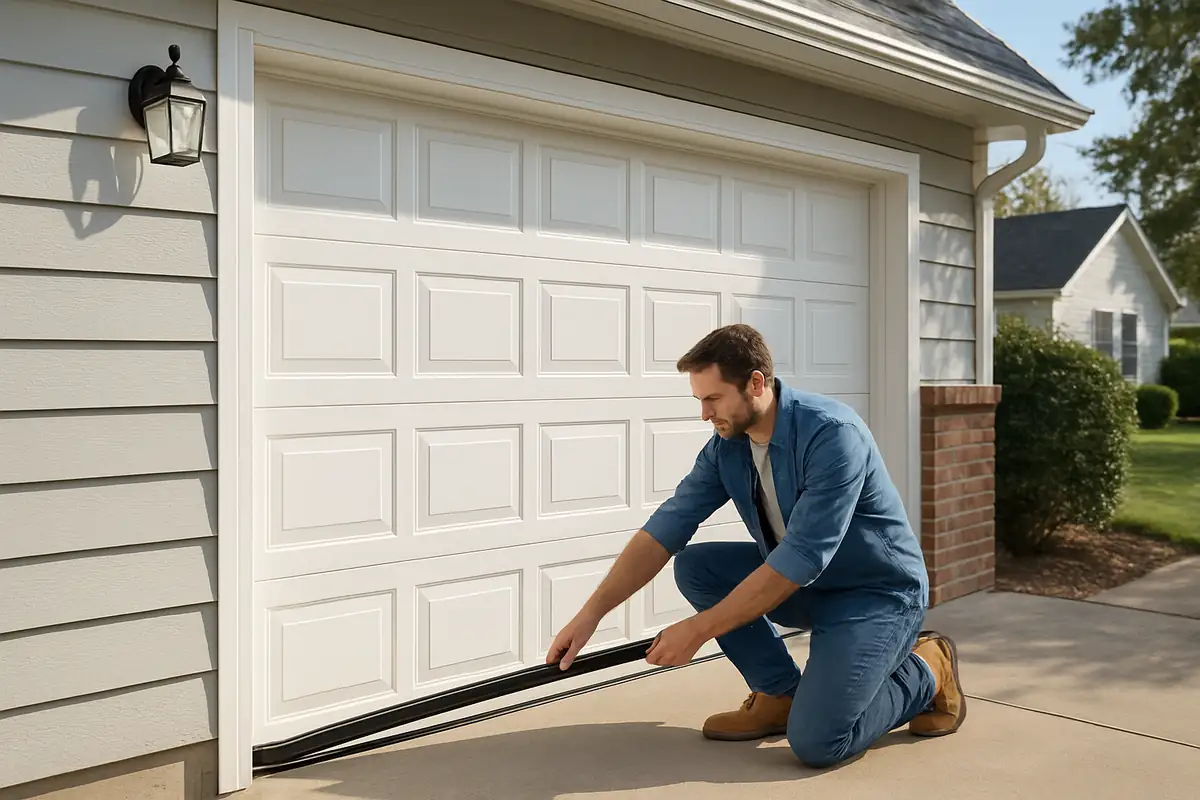
Weatherstripping is one of the simplest and most effective methods for sealing gaps. Consider these materials:
- Vinyl Weatherstripping: Durable and flexible, ideal for various garage door types.
- Brush Seals: Effective for keeping out drafts and debris.
2. Use Garage Door Insulation Kits
Insulation kits are readily available and can easily be installed to add an extra layer of protection. Benefits include:
- Improved temperature control
- Reduced noise
- Increased durability
3. Seal Gaps with Caulk
Once you identify gaps, use caulk to seal them effectively. Follow these steps:
- Clean the area to remove old caulk or debris.
- Apply a bead of caulk evenly along the gap.
- Smooth it out with a caulking tool or your finger.
4. Regular Maintenance and Cleaning
Regular maintenance can extend the life of your weather-proofing measures:
- Clean the weatherstripping regularly to prevent mold and mildew.
- Inspect seals and insulation for wear and replace as needed.
5. Install a Garage Door Threshold Seal
A threshold seal can provide additional coverage at the base of your garage door. This is especially useful for:
- Preventing water seepage
- Keeping out pests
- Improving energy efficiency
Choosing the Right Materials for Weather-Proofing
Not all products are created equal. Here are a few high-quality materials recommended for weather-proofing:
- Polyurethane Foam: Provides excellent insulation properties.
- Fiberglass Insulation: A great option for thermal resistance.
- Heavy-Duty Garage Door Weatherstripping: Specifically designed for maximum durability in harsh conditions.
When to Call a Professional
While many weather-proofing tasks can be done as DIY projects, there are times when it's best to call in professionals:
- If you notice significant damage to your garage door.
- If you’re unsure about the type of insulation or materials to use.
- If you lack the tools or skills to handle the improvements safely.
Conclusion: Keeping Your Garage Safe and Energy Efficient
Weather-proofing your garage door is an investment that pays off in energy savings, safety, and extended lifespan of your garage door. Whether you're a DIY enthusiast or prefer to leave it to the pros, Sandia Garage Door Repair is here to help. Our experienced team in Methuen, MA, is ready to assist with all your garage door needs. Don’t wait until the next storm hits—contact us today for a free consultation!
Explore More Resources
Related Articles
Our Services
Professional garage door repair, spring repair, opener installation and more. View all services →