
How to Reduce Garage Door Noise: Expert Tips from Sandia Garage Door Repair in Methuen, MA

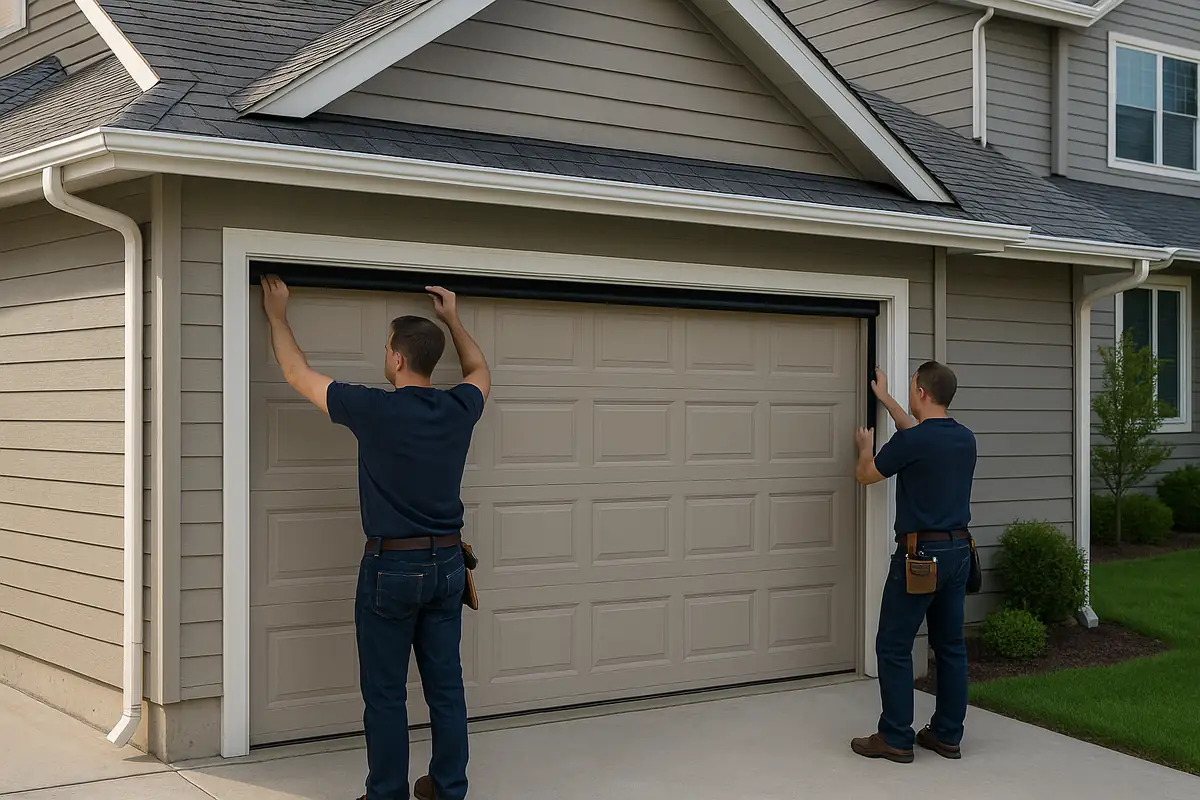
Understanding Garage Door Noise
Garage doors are essential to your home, providing security and convenience. However, they can also be a source of annoyance when they creak, groan, or slam shut. Understanding the reasons behind garage door noise is the first step to managing it effectively.
Common Sources of Garage Door Noise
- Loose Hardware: Bolts, screws, and nuts can loosen over time, causing rattling noises.
- Wear and Tear: Aging components like rollers and springs may produce loud sounds when they are worn out.
- Misalignment: If the door is not properly aligned, it may rub against the tracks, causing scraping sounds.
- Lack of Lubrication: Dry moving parts can generate friction, leading to squeaks and creaks.
- Environmental Factors: Temperature changes can impact garage door components, sometimes resulting in noise.
Tips to Reduce Garage Door Noise
Reducing garage door noise doesn't have to be complicated. Here are several practical strategies you can implement to enjoy a quieter garage.
1. Regular Maintenance
Regular maintenance is crucial for the longevity and performance of your garage door. Consider these steps:
- Inspect and tighten all hardware, including bolts and screws, at least twice a year.
- Check the springs for signs of wear and replace them if necessary.
- Ensure the door is balanced by disconnecting the opener and lifting the door manually. It should stay in place.
2. Lubrication
Keeping your garage door parts well-lubricated can significantly reduce noise:
- Use the Right Lubricant: Choose a silicone-based or lithium grease, as oils can attract dirt.
- Focus on Key Areas: Lubricate rollers, hinges, springs, and the track where the door moves.
- Frequency: Lubrication should be done every 6-12 months, or more frequently in high-use situations.
3. Upgrade Your Hardware
Sometimes, upgrading components can lead to a quieter garage door:
- Replace Noisy Rollers: Opt for nylon rollers, which are quieter than metal ones.
- Consider a New Opener: Modern garage door openers are designed to operate more quietly than older models.
- Noise-Reducing Kits: Invest in insulation kits or soundproofing panels to reduce overall noise levels.
4. Insulation
Insulating your garage door not only keeps your garage temperature regulated but also minimizes sound:
- Foam Board Insulation: Apply foam boards to the inside of the door for sound dampening.
- Insulated Garage Doors: If you are in the market for a new door, consider buying an insulated one.
5. Professional Help from Sandia Garage Door Repair
If you're unsure about handling garage door noise yourself, don't hesitate to call in the experts. Sandia Garage Door Repair, based in Methuen, MA, specializes in all aspects of garage door maintenance and repair.
We can conduct a thorough inspection, identify noisy components, and provide effective solutions tailored to your needs.
Statistics on Garage Door Noise
According to the International Door Association, over 70% of homeowners report noise issues with their garage doors. Regular maintenance and timely repairs can reduce this significantly and enhance the longevity of your garage door.
Conclusion: Enjoy Peaceful Garage Spaces
Reducing garage door noise not only enhances your home’s comfort but also extends the lifespan of your garage door components. With regular maintenance, proper lubrication, and potential upgrades, you can enjoy a quieter garage.
If you're looking for professional assistance, Sandia Garage Door Repair is here to help. Contact us today for expert garage door repair services in Methuen, MA!
Explore More Resources
Related Articles
Our Services
Professional garage door repair, spring repair, opener installation and more. View all services →
How to Extend the Life of Your Garage Door in Methuen, MA - Sandia Garage Door Repair

Best Garage Door Styles for Modern Homes in Methuen, MA | Sandia Garage Door Repair
