Garage Door Spring Maintenance Guide: Essential Tips for Methuen Homeowners

Understanding Garage Door Springs
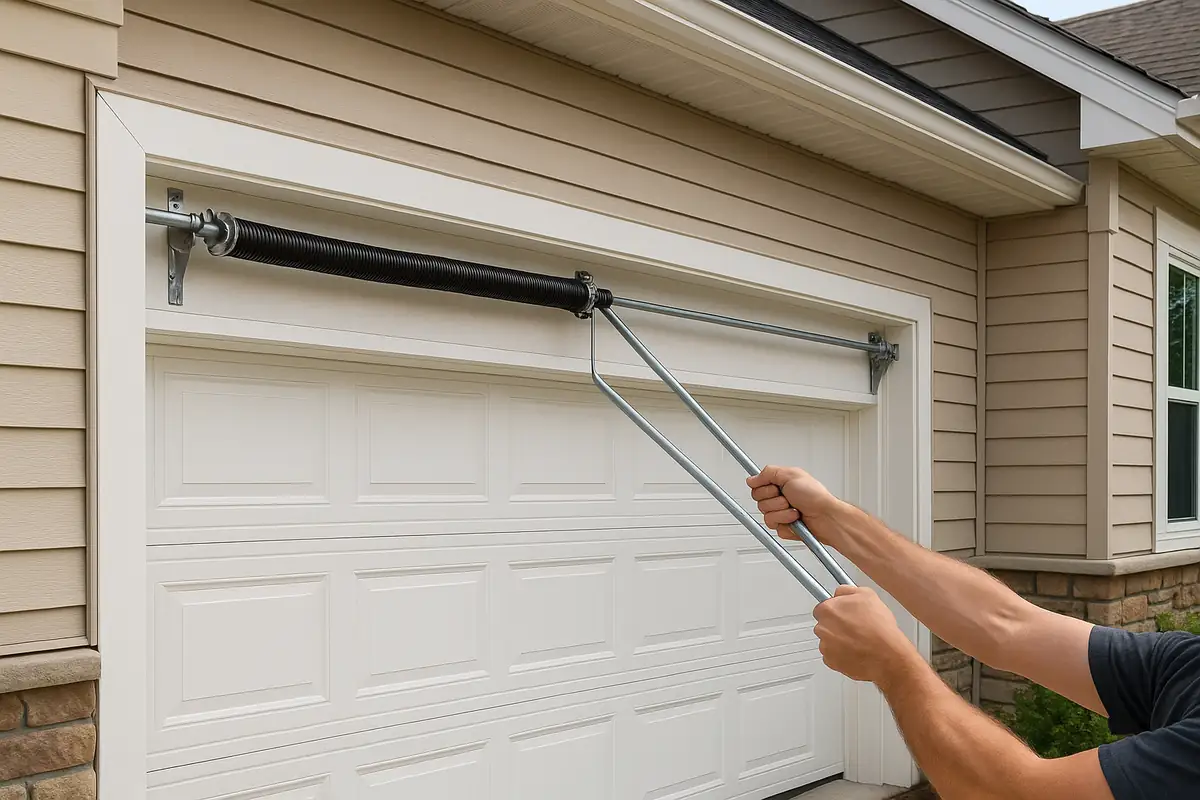
Garage door springs are vital components that assist in the opening and closing of your garage door. There are two main types of springs: torsion springs and extension springs. Understanding their roles can help you maintain them properly and avoid costly repairs.
Torsion Springs
Torsion springs are mounted above the garage door and use torque to lift the door. They typically offer greater lifting power and have a longer lifespan compared to extension springs.
Extension Springs
Extension springs are located on both sides of the door and stretch to lift it. They are generally easier to replace but may not last as long as torsion springs.
Importance of Spring Maintenance
Regular maintenance of your garage door springs is essential for several reasons:
- Safety: Worn or damaged springs can lead to accidents.
- Longevity: Proper care extends the lifespan of your springs.
- Cost-Effectiveness: Preventative maintenance can save you money on major repairs.
Signs Your Springs Need Attention
Being proactive can save you from major issues. Watch for these signs indicating that your garage door springs need maintenance:
- The door opens or closes slowly or unevenly.
- You hear unusual noises, such as squeaking or grinding.
- The door reverses direction unexpectedly.
- There are visible gaps or rust on the springs.
Spring Maintenance Tips
Here are some practical tips to keep your garage door springs in peak condition:
1. Regular Inspections
Inspect your springs at least twice a year. Look for any signs of wear, rust, or uneven tension.
2. Lubrication
Apply a quality lubricant to the springs and other moving parts. This reduces friction and prevents rust. Use the following steps:
- Disconnect the power to your garage door opener.
- Use a silicone-based lubricant, avoiding WD-40, as it can attract dust.
- Spray the lubricant on the springs, rollers, and tracks.
- Wipe off any excess with a clean cloth.
3. Adjusting Tension
Adjusting spring tension is a job best left to professionals. However, if you're experienced, ensure you:
- Use proper tools and safety gear.
- Make small adjustments to avoid over-tensioning.
The Risks of DIY Repairs
While some maintenance tasks can be done on your own, DIY repairs on garage door springs can be dangerous. Here’s why:
- High Tension: Springs are under a lot of tension and can cause injury if not handled correctly.
- Accurate Installation: A mistake in installation can lead to further damage.
Statistics on Garage Door Safety
According to the International Door Association, over 30,000 injuries occur each year due to garage door accidents. Regular maintenance is crucial for preventing injuries and ensuring safety for your family.
When to Call a Professional
If you notice any issues with your garage door springs that you cannot address yourself, it’s time to contact a professional. Signs you should call Sandia Garage Door Repair in Methuen, MA, include:
- Visible wear or damage to the springs.
- A garage door that won’t open or close properly.
- Unusual noises during operation.
Conclusion: Prioritize Your Garage Door Spring Maintenance
Maintaining your garage door springs is a key aspect of ensuring your garage door operates safely and effectively. Regular checks and maintenance can prevent serious issues down the line. If you ever feel uncertain about the state of your garage door springs, don’t hesitate to reach out to Sandia Garage Door Repair. Our expert team in Methuen, MA, is ready to provide professional assistance to keep your garage door in top shape.
Contact us today for a thorough inspection and maintenance service!
Explore More Resources
Related Articles
Our Services
Professional garage door repair, spring repair, opener installation and more. View all services →
Best Garage Door Styles for Modern Homes in Methuen, MA | Sandia Garage Door Repair
How to Program Your Garage Door Remote: A Complete Guide by Sandia Garage Door Repair